Posts

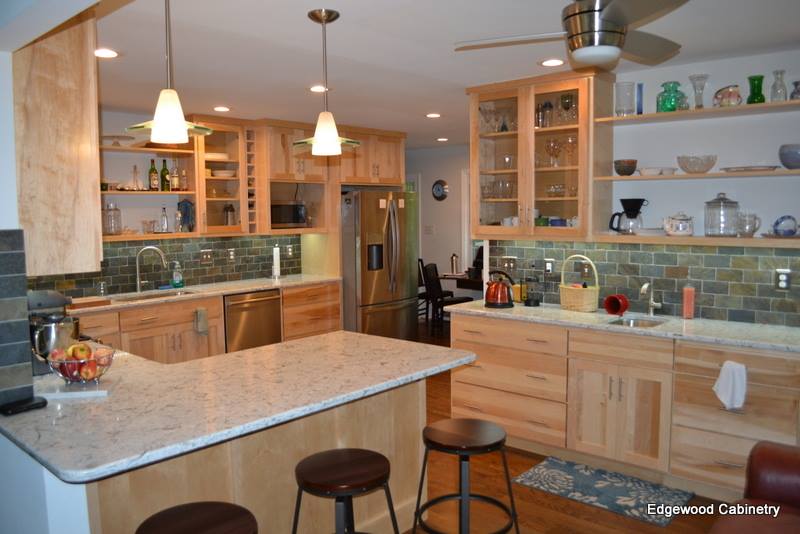
kitchen island cart-edgewood cabinetry-raleigh nc

Every kitchen has limited counter space and storage, and stand-alone pieces have long been the answer.

These beautiful islands work well in homes with large kitchens, but a lack of floor space has been an issue in many homes. For years, home cooks with small kitchens have felt their needs were not addressed. It is now possible to add a portable kitchen island cart that will solve counter space needs as well as storage solutions.

 Preparing Everyday Meals

Modern families are often rushed for time, and preparing any meal is an exercise in scheduling. Finding time and space to get all the preparations done and cooking completed may frustrate cooks with small kitchens. An island cart alleviates the need for more counter space while providing an area to store tools used on a regular basis. The cart moves near the sink for food prep, and it is then shuttled to the stove for cooking. It also offers a fun way to serve the family meal.

Teaching Children to Cook

Cooking is a family event in many kitchens, and this is a great way to help children learn this important step in caring for their own needs. When space is at a premium, a portable cart in the kitchen is a wonderful way to help them succeed. It provides the child with a defined space to keep them from being overwhelmed. Keeping them in an area teaches them to work within their own space, and it helps with acquiring organizational skills. They benefit from learning how to stock their own preparation space. If the cooking lesson requires multiple steps, the cart moves to the areas needed.

Help with the Holidays

Inviting friends and family for large holiday dinners is a wonderful tradition, and it gives people a way to enjoy each other while sharing treasured family recipes. Many large gatherings of this type require several cooks working together while preparing and cooking the meal. A portable island cart has plenty of uses in this setting. It provides extra preparation space, easy access to necessary tools, and it serves as an area for finishing cooked dishes right before serving. The use of this island cart extends right into the dining room for easy service options.

Modern life requires great solutions in many areas and the kitchen, often the heart of the home now has one more great tool.

If you want more information on ordering your new kitchen island cart, please contact us today.

custom kitchen island-edgewood cabinetry

Many homeowners have one item that is high on their wish list when planning a kitchen remodel: an island. Fortunately, even most small kitchens can accommodate a modest island, especially if they have a U or L-shaped layout. A larger kitchen allows for more choices when designing an island.

However, without sufficient clearance, an island can make even a large kitchen feel cramped, crowded, and inefficient. An especially large island might even act as a barrier, interrupting the flow and making the kitchen feel much less user-friendly.

When deciding on an island, it’s important to make sure that everything can still function as it should. After all, you don’t want to find out too late that you can’t stand at the stove while someone else is trying to do dishes! Even worse would be tripping over that dishwasher door while carrying a hot pan or sharp knife. Adding a poorly designed island to a kitchen is not only frustrating but also dangerous.

All of the cabinet doors, drawers, and appliances need to open without interfering with each other. An ideal layout gives you safe, easy access to all of your cupboards, drawers, appliances, and work surfaces. You might want to consider trash and recycling, too, if the island is intended as the main prep area.

So, how much space does an island need?

  • Allow at least 3 feet on all sides of the island. Allowing another 6 – 12 inches on a working side is optimum.
  • For the sake of convenience, the distance between the island and other work surfaces shouldn’t be more than about 4 feet. Any farther, and you’ll have to take a step after you turn around, which makes in less convenient.
  • Two fully extended, opposing drawers should still leave walking room between them. A minimum of 30″ is recommended.

When designing your island, you’ll also need to decide its primary use:

  • additional prep space
  • the main work area
  • part of the work triangle
  • a place to eat
  • an entertainment space
  • a combination of uses

If you plan on using it mostly for casual meals, allow plenty of room for seating. The minimum recommended overhang is 12″, although 15″ or so feels more comfortable; leave a minimum of 24″ of width for each diner. A height of 42″ on the seating side allows for regular height bar stools and clearly delineates the eating area from the lower working side. Another option is for a seating area that is simply a continuation of the workspace. This allows the entire island to serve as a workspace when needed.

If the island will include appliances or a sink, you’ll need more space to accommodate them; experts recommend at least 4 – 8 feet, depending on their number and size. A cooktop will require an exhaust hood; make sure you have space for one. Just remember to keep the scale of the island in proportion to that of the kitchen.  

If you’re ready to add an island to your kitchen, contact us. We’ll help you design the functional island of your dreams.

island clearance-edgewood cabinetry

Kitchens are a focus point in the home. More than any other room in the house, the kitchen needs to be functional and make the most of the space available.

Sometimes, a kitchen island is the perfect way to accomplish this.

Is an island right for your kitchen? An island can add more counter-top and cabinet space. It changes the flow of the room while also adding a variety of new options for organization. If you have a little extra space, an island might be just the thing to help your kitchen become more efficient.

How much room do you need for a kitchen island? How much room you need in order to have a kitchen island varies on the size and type of island you want. A small, compact island can fit in a small kitchen.

You want enough area around the island for you and those who live with you to comfortably move about the kitchen. According to This Old House, a standard size for an island is 2 ft. deep and 4 ft. long. If you want an island, your kitchen should be at least 8 ft. wide and 12 ft. long.

It also depends on what you want to use the island for. If you are planning on using the island as an eating area, you will need to factor in space for the chairs. You want to have enough room to walk around the chairs while someone is sitting in them.

When measuring, make sure you have enough room to easily open all cabinet, dishwasher, and pantry doors. You never want an island to block access to one of these.

If you have any questions, please, contact us.