Posts

Tips on planning your kitchen lighting

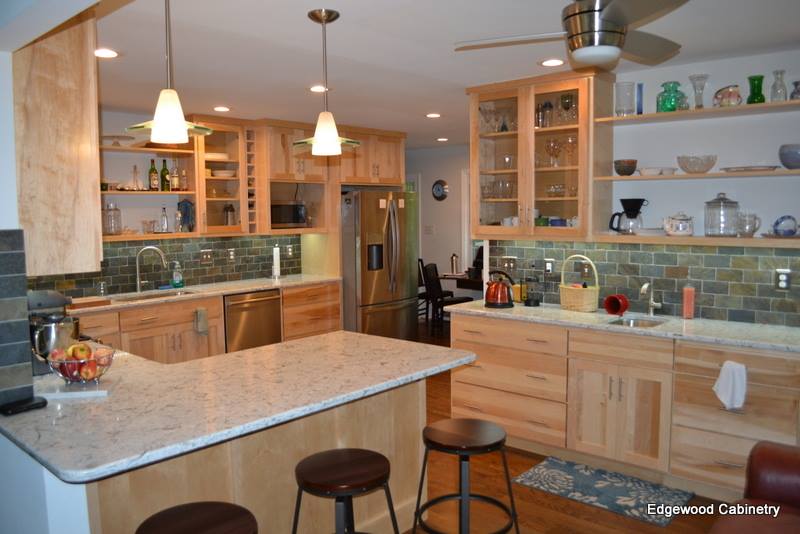
There are two needs for lighting in your kitchen. One is to generally light up the room. The other is to put light right where you need it most, the work surfaces. Your work surfaces are the kitchen sink, the counters, the stove, and the island and/or table.

The decor of the kitchen should play a part in choosing the style of fixtures you want to use to light your kitchen. General lighting is a good place to add texture and color as well as light. Chandeliers and pendant lights come in every texture, style, color, and type you can imagine. Use all one type, or set an area off by using a different style. This could be using one style over the table and another over the island. While you are planning your general lighting, think about glass door cabinets. Lights inside those cabinets will show off the contents, and after all that is why you put glass doors. Using glass shelving will allow the light to filter down to lower shelves.

Your kitchen lights are for adding accents to and showing off the beauty of your kitchen.

You can do task lighting this way, but often you will lose the impact with too many pendants. Depending on the cabinet design, you could use under cabinet lights for the counters. If your cabinets don’t line up with your work surfaces or you don’t care for under-cabinet lighting, can lights make a good source of task lighting. Can lights make very little impact on style, and add light where you need it most. You can even have those can lights on different switches by area for better control of where the extra light shines. Don’t forget to light up the sink area. Stoves have hoods for ventilation that usually have lights built-in. While your task lighting will show off the beauty of your kitchen, it is primarily for extra lighting in those places you use the most.

Your kitchen lighting is a vital part of your kitchen design, and your fixtures should accent your style.

This is a great place to add a bit of flair to your room. At Edgewood Cabinetry LLC, we would love to show you more about how to create your perfect kitchen.

cherry vanity master bath-edgewood cabinetry

Renovating your home can be a rewarding process that transforms an outdated space into your dream vision.

It can also be an intimidating chore if you don’t do your homework ahead of time and avoid common renovation mistakes.

Read on for our round-up of the top 5 home remodeling don’ts you should be wary of during your next home upgrade.

1. Don’t be afraid to hire a professional. 

It’s true, DIY is the new design buzzword that makes homeowners feel like they can do anything. While there are many projects that can be tackled by just about anyone — think painting or changing lighting fixtures — there are others that may be best left to a professional. If you’re considering a kitchen or bathroom renovation, for example, you will need tools and skills that are very specialized. Unless you own a tile cutter and are experienced at installing new floors and counters, you may just save yourself time, headaches, and ultimately cash, by hiring a professional to come in and make sure the job is done correctly.

2. Don’t forget to include contingencies in your budget. 

Even the smallest projects end up costing more than you would originally think. Added expenses could be something as minor as needing more hardware than you’d planned or as major as a full-blown mold outbreak. Plan for the worst and then be glad if you end up spending less than your inflated budget.

3. Don’t underestimate your time budget either. 

Rarely is a quick, weekend project complete in one weekend. In order for things to be done correctly, attention to detail is essential. You need to remember drying time for painting or staining, allowances for materials being shipped, and installation allotments. Create a timeline for your renovation that accounts for each step of the process. Then add at least a week for good measure.

4. Don’t skimp on materials. 

You certainly want to do your research and keep your costs as low as possible. Be a smart consumer, but don’t sacrifice quality. Remember, you get what you pay for. If you can’t afford good quality materials, wait and save until you can.

5. Don’t buy into every trend. 

You want to update your home, but don’t make the mistake of choosing too many trends. Trends are only in style for a limited time before they need to be updated themselves. Choose clean, simple designs that are timeless and then layer in trendy accents that can be easily replaced when styles change.

For more information about renovation do’s and don’ts or to speak with a member of our experienced team, please contact us today.