Open concept kitchens are a favorite in modern home design. They’re popular because they create a seamless flow between cooking, dining, and living spaces. But designing your dream open-concept kitchen can also come with challenges. One of the biggest? Storage.
Without traditional walls and corners, it can be tricky to figure out where all your kitchen tools, cookware, and pantry items will live. That’s where custom cabinetry comes in. With the right cabinet design, you can keep your kitchen clutter-free, functional, and beautiful without sacrificing that open, airy feel.
Here’s how to make it work brilliantly in your custom kitchen.
Start with a Layout that Zones the Space
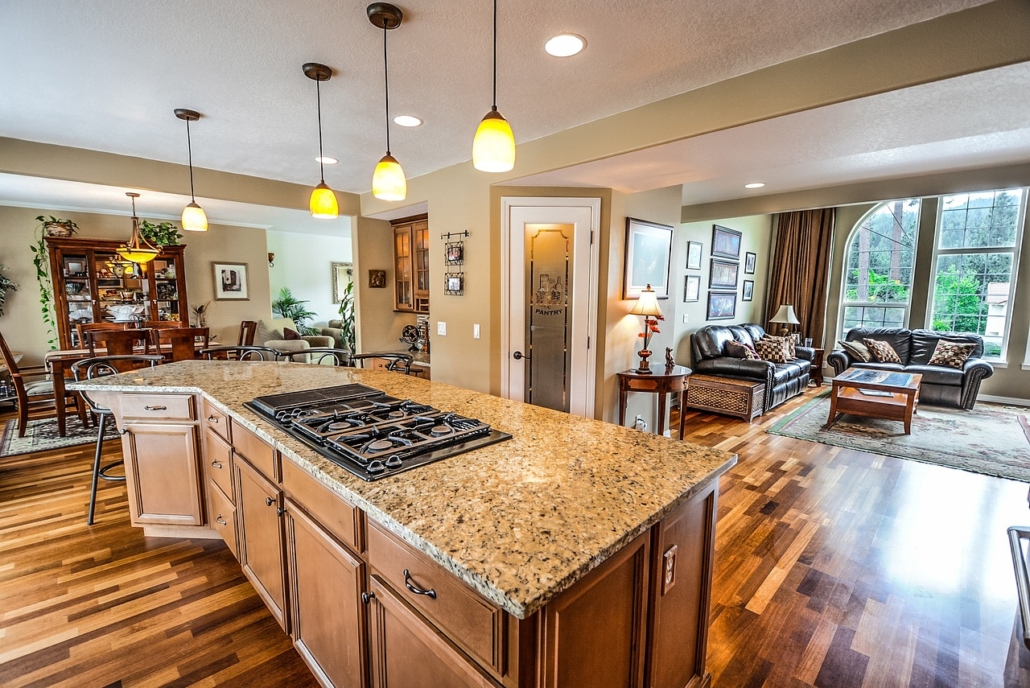
Custom cabinets can help define “zones” within your open concept kitchen. You might use a large island to visually separate the kitchen from the living room while incorporating deep drawers, shelves, or even built-in appliances. Tall pantry-style cabinets along one wall can mark the kitchen’s boundary without adding actual walls.
Use Cabinets as Architectural Elements
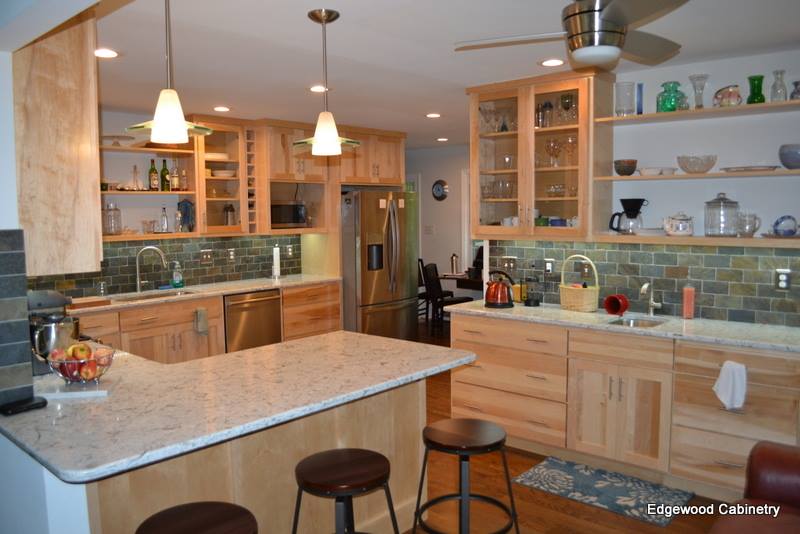
Instead of treating cabinets as just another storage must-have, treat them like part of the kitchen structure. Floor-to-ceiling cabinetry can anchor a space and add visual interest. Floating cabinets or glass front uppers help keep things feeling light while still providing storage.
Mix Open and Closed Storage
Too many closed cabinets in an open layout can start to feel boxy or heavy. On the flip side, too much open shelving can make a space feel cluttered. A custom combo of both allows you to hide less aesthetic items (like blenders or Tupperware) while displaying beautiful dishware or glassware.
Blend Materials with the Rest of the Home
Your cabinetry doesn’t have to scream “kitchen.” In open layouts, cabinetry should echo the materials and tones used throughout the connected spaces. That might mean extending wood tones into a media console in the living area or matching kitchen cabinet hardware with finishes on nearby built-ins.
Maximize Island Storage
In an open layout, the island often becomes the visual centerpiece and it’s also your best bet for extra storage. Opt for custom drawers, integrated wine racks, pull-out shelves, or even hidden outlets inside your cabinets. If the kitchen’s island is facing a living space, consider paneling that blends in with the room’s overall aesthetic.
Conceal Appliances Behind Cabinetry
To keep the open concept vibe cohesive, hide appliances behind cabinet panels. Custom fronts can disguise fridges, dishwashers, and even range hoods. This “hidden kitchen” approach reduces visual clutter and makes the kitchen feel more like a natural part of the larger living space.
Don’t Forget Vertical Space
With fewer walls to work with, every inch counts in your custom kitchen. Tall cabinets can help you take full advantage of ceiling height without overwhelming the room. Add pull-out ladders or step stools stored in a toe kick drawer for safe, stylish access.
Lighting Matters
Well-placed lighting in and around your custom cabinets can add all the inviting warmth and depth to the kitchen. Undercabinet lighting, glass cabinet backlights, and integrated LED strips can all help define spaces and enhance ambience.
Cabinetry That Matches Adjacent Furniture
One clever trick for blending open concept spaces is to design custom cabinets that echo nearby furniture styles. For example, your kitchen island could borrow leg details from your dining table, or your built-ins might use the same finish as your media console.
Custom cabinets make open concept kitchens more functional, stylish, and in sync with the rest of your home. With thoughtful planning and the right materials, your kitchen can be both the heart and the anchor of your open floor plan.
Want a kitchen that fits your open concept lifestyle perfectly? Reach out to Edgewood Cabinetry to start designing your dream custom kitchen today.